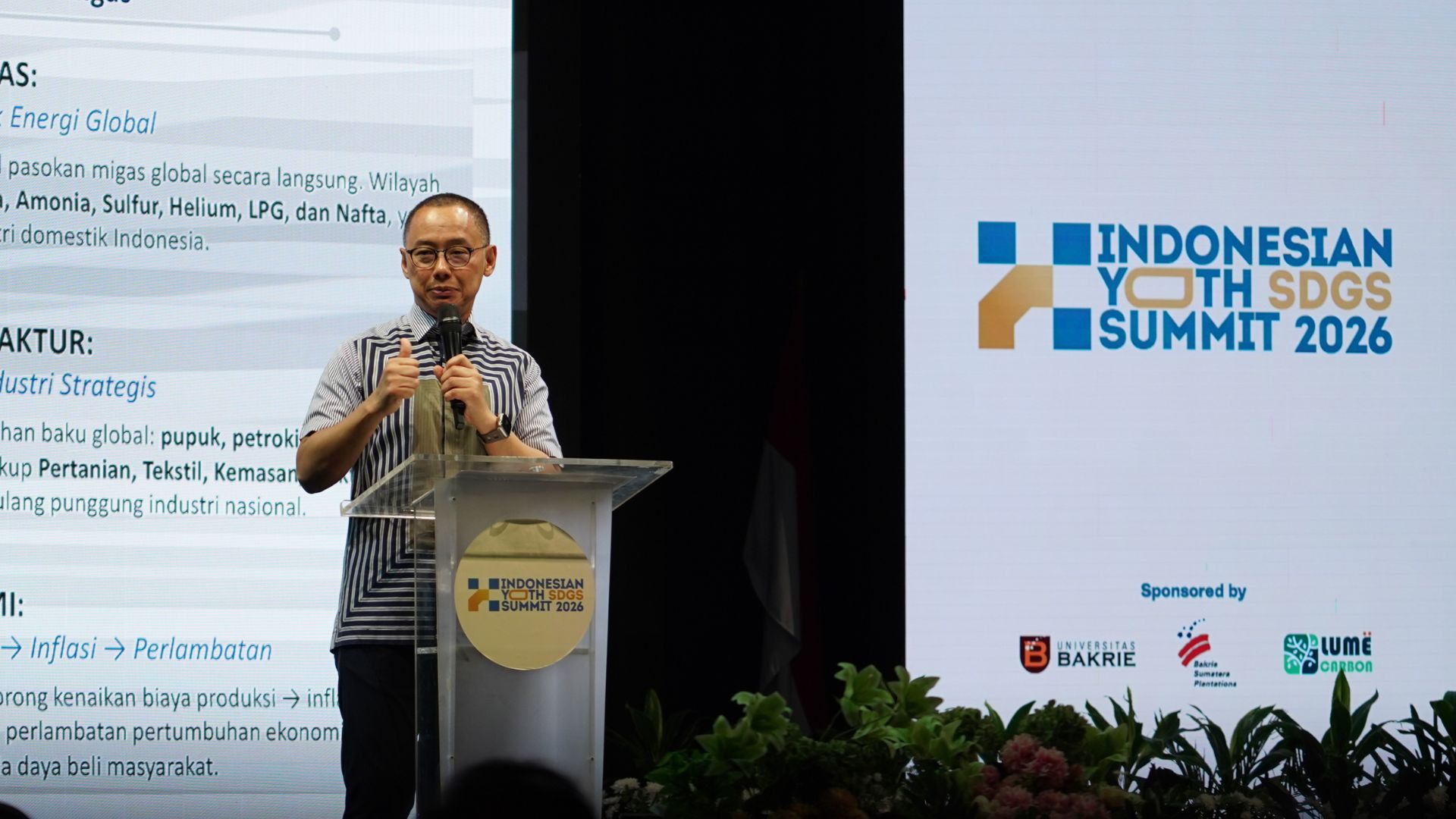
Bakrie University Communication Science Study Program Holds Guest Lecture Discussing Organizational and Business Communication in the Changing World of Work
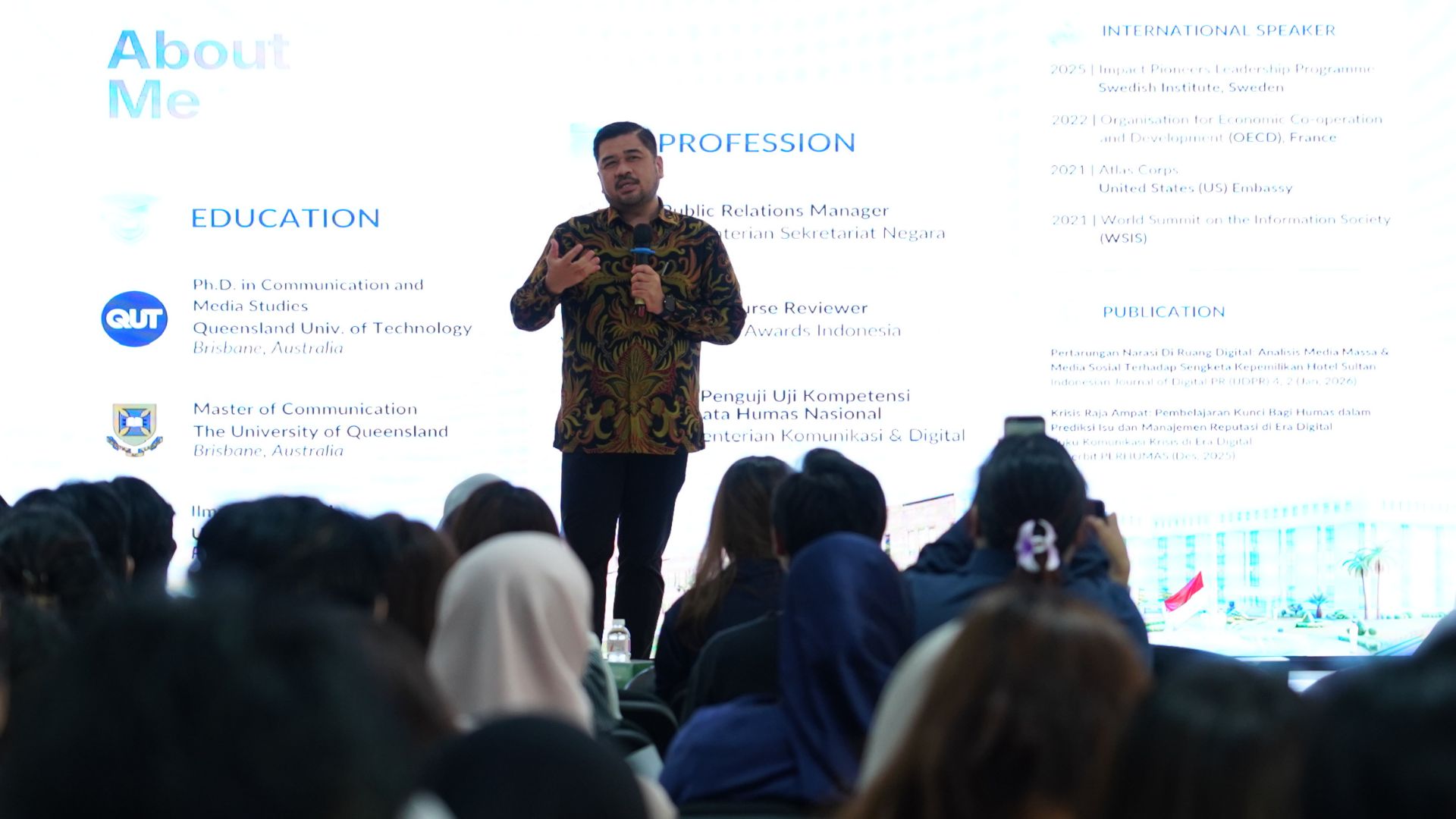
Jakarta, 3 July 2026 – The Bakrie University Communication Studies Program held a Guest Lecture on Organizational Communication and Business Communication with the theme "Navigating Organizational and Business Communication in a Changing Workplace" at the Bakrie University Auditorium, Bakrie Tower 42nd floor, Jakarta.
This activity presented two communication practitioners from the government and industrial sectors, namely A. Firmannamal, Ph.D., Public Relations Manager of the Ministry of State Secretariat of the Republic of Indonesia, and Bernadeta Dwi Hapsari, HR Kompas Gramedia Group of Retail & Publishing. Through this session, students are invited to understand how professional communication is carried out in organizations that are constantly changing, whether due to technological developments, generational dynamics, or demands for cross-functional collaboration.
The Head of the Bakrie University Communication Studies Program, Suharyanti, M.S.M., Ph.D., said that this activity is part of the study program's efforts to bring learning in the classroom closer to communication practices in the world of work.
"Organizational communication and business communication are not enough to understand just as theory. Students need to see how communication works in situations real, when organizations have to make decisions, build collaboration, face change, and maintain professionalism," explained Suharyanti.
According to him, today's world of work requires communication graduates who are not only able to speak or write well, but are also able to read context, understand organizational interests, and adapt communication strategies to the needs of the audience.
"We want Bakrie University Communication Science students to have sensitivity to change. In an increasingly dynamic world of work, communication skills must go hand in hand with the ability to think strategically, adaptively, and ethically," he added.
In presentation, A. Firmannamal, Ph.D. emphasizes the importance of collaboration and adaptive capabilities in organizational communication, especially in government environments that involve many stakeholders. According to him, effective communication does not only depend on conveying messages, but also on the ability to build coordination, understand situations, and maintain public trust.
"In organizations, especially in the government sector, communication cannot work in isolation. Collaboration is key because every message, decision and public response involves many parties. Therefore, a communicator must be able to work across units, across interests, and remain adaptive to changing situations," said Firmannamal.
He also emphasized that communication challenges in the current era are increasingly complex because organizations are required to move quickly, but remain accurate and responsible.
"Speed is important, but in institutional communication, accuracy, coordination and sensitivity to context must not be lost. Communicators need to be adaptive, but still have an ethical foundation and understanding of the organization," he continued.
Meanwhile, Bernadeta Dwi Hapsari discussed the challenges of business and organizational communication in the context of the multi-generational world of work and the presence of artificial intelligence or AI technology. He explained that today's organizations are filled with generations with different ways of working, expectations and communication styles.
"In the workplace, we are dealing with various generations whose ways of communicating, ways of receiving direction, and ways of interpreting work are not always the same. The challenge is how organizations can build communication that remains clear, open and mutually respectful," said Bernadeta.
According to Bernadeta, the development of AI has also changed the way organizations work, including the internal communication process, work management, and decision making. However, he emphasized that technology does not replace the importance of human communication skills.
"AI can help work become faster and more efficient, but the human ability to understand context, build relationships, empathize, and make wise decisions remains very important. In fact, in the AI era, communication skills are becoming increasingly crucial," he added.
This activity is also a space for students to understand that organizational communication and business communication have a close relationship with leadership, work culture, professionalism, and the ability to adapt in the modern work environment. Through exposure to two different sectors, students get an idea that communication practices can have various forms, but still require the same foundation: message clarity, audience understanding, collaboration, and ethics.
This guest lecture was moderated by Kurniati Putri Haerina, M.I.Kom., lecturer at the Bakrie University Communication Science Study Program. The discussion took place interactively through a question and answer session between students and resource persons, especially regarding readiness to face the world of work, communication across generations, professional use of AI, as well as the challenges of being a communicator in government and corporate organizations.
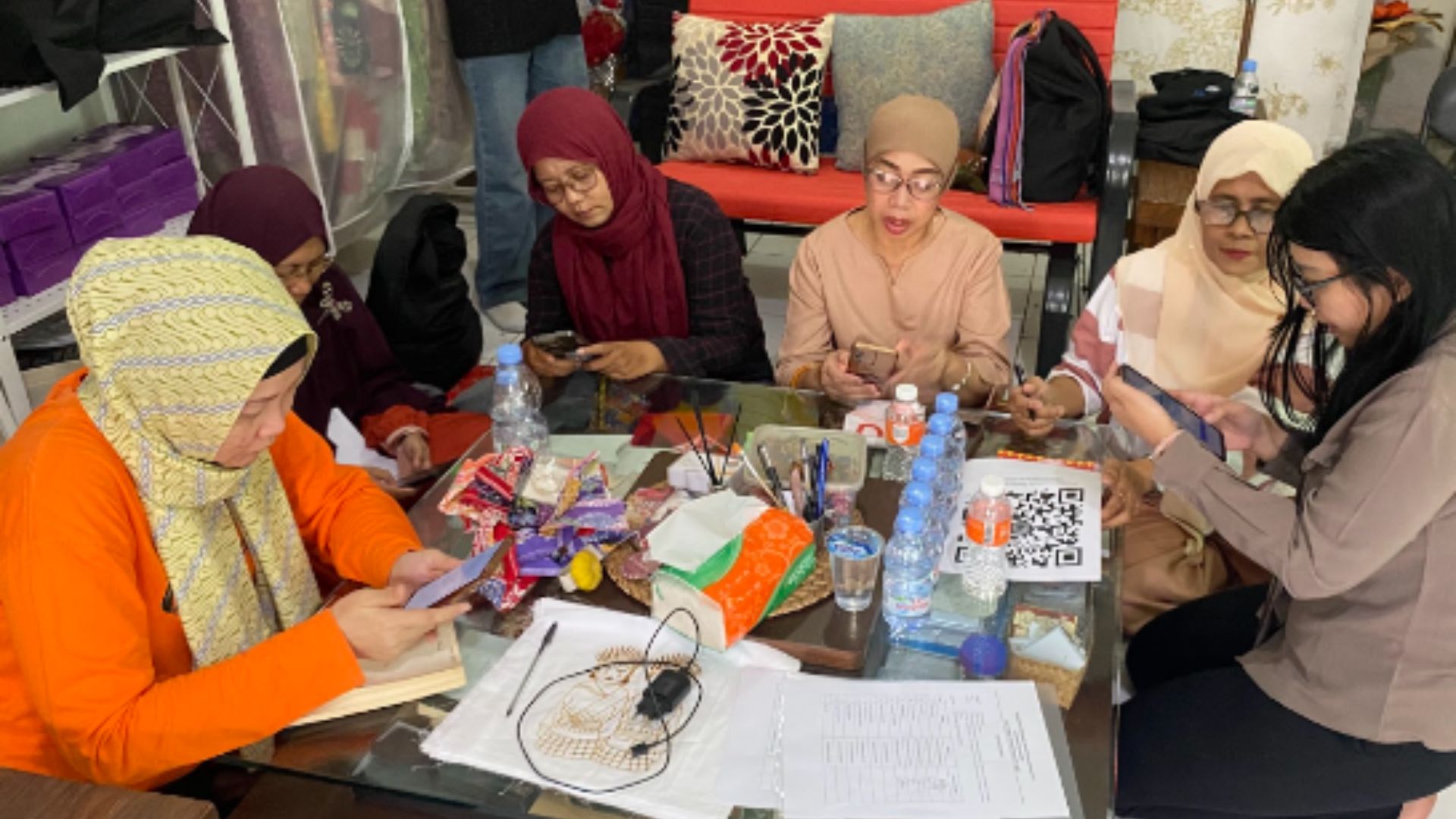
Bakrie University Holds Digital Storytelling Socialization to Support the Digital Transformation of Msme Galleries Abata
Virtual Job Fair 2026 Bakrie University Opens Career Access for Students and Alumni
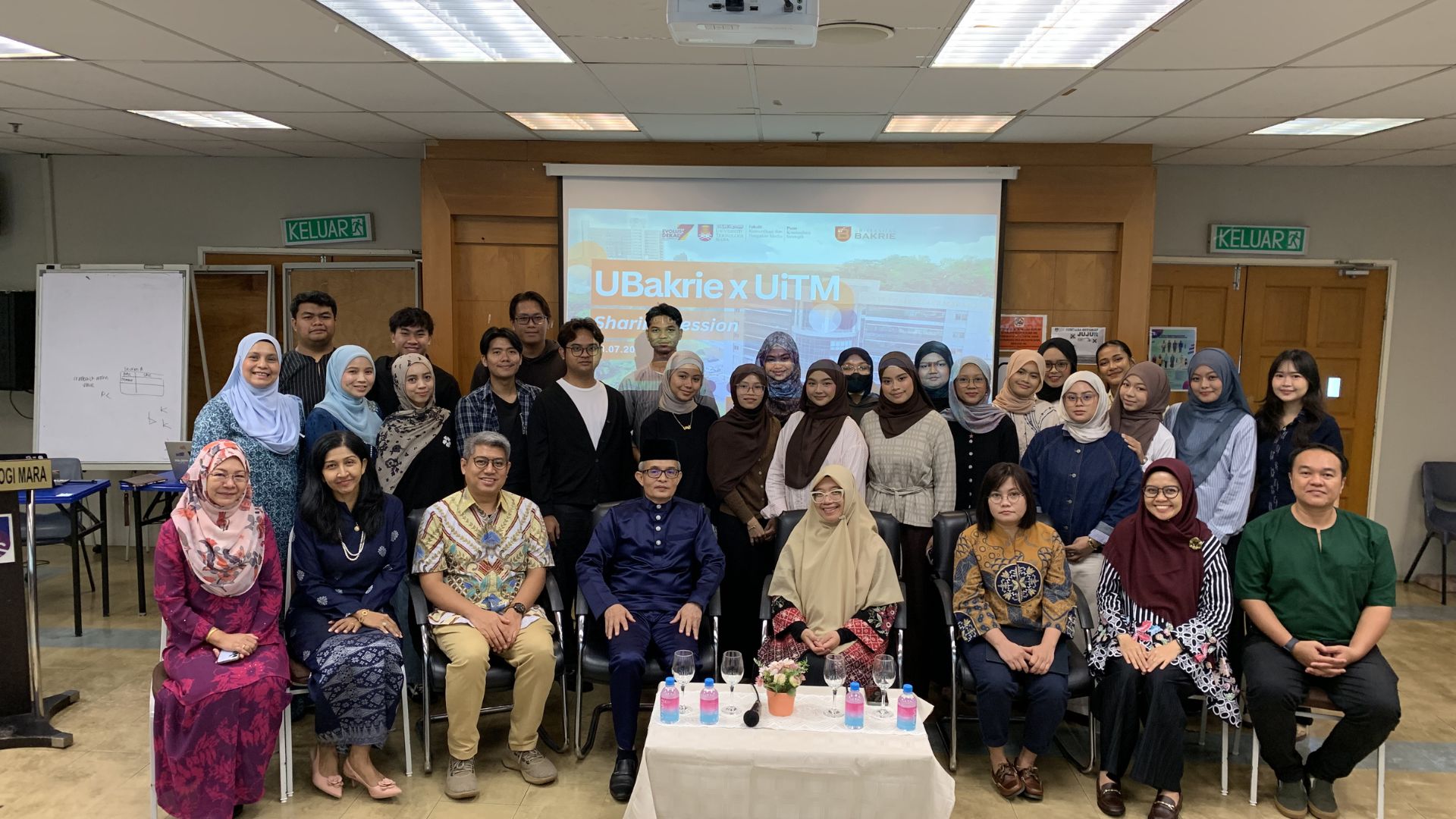
Bakrie University and Uitm Malaysia Discuss Information Resilience, Csr Communication and Political Communication