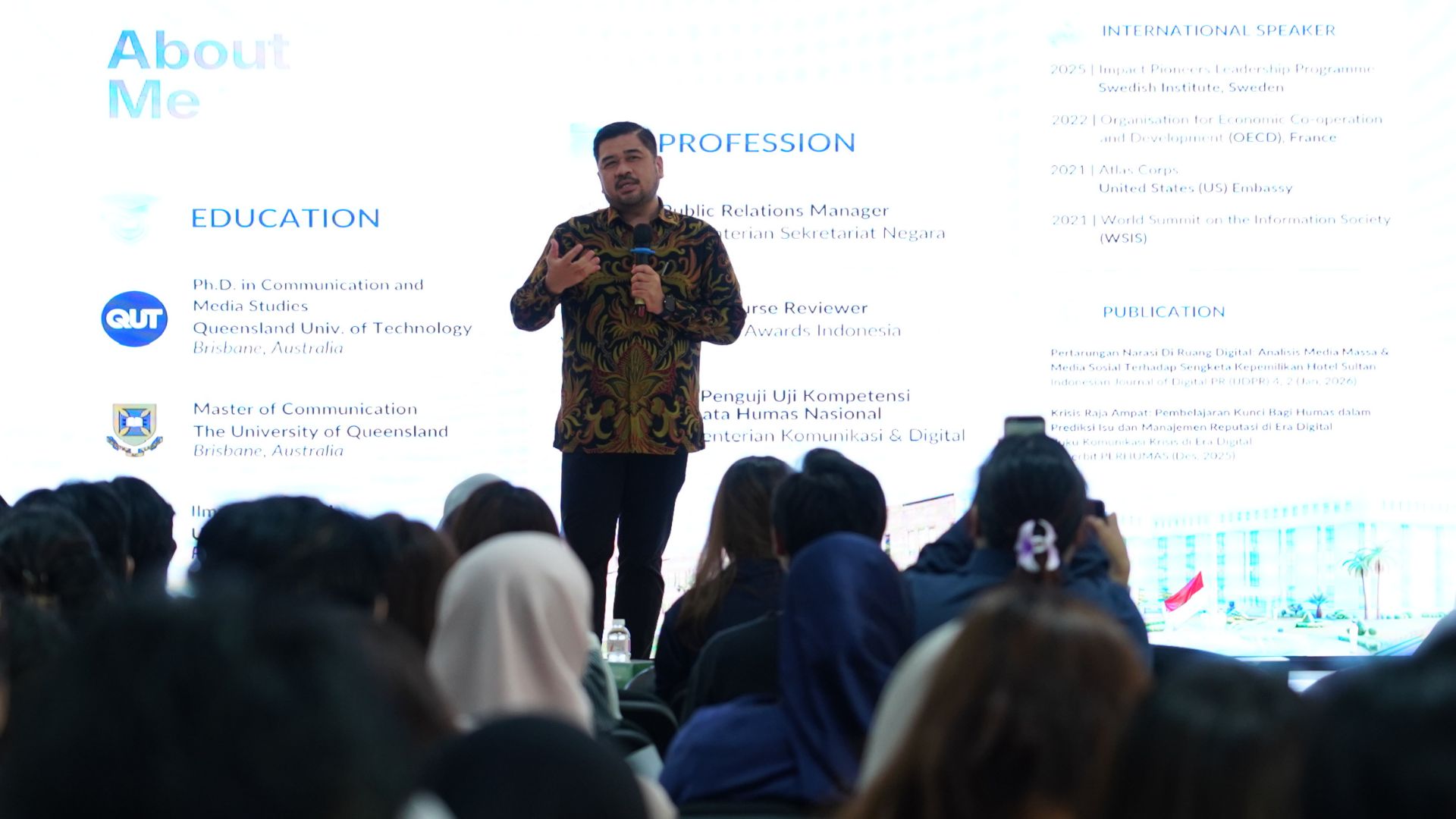
Bakrie University Holds Iysdgs 2026, Encourages Cross-sector Collaboration for Water and Food Security
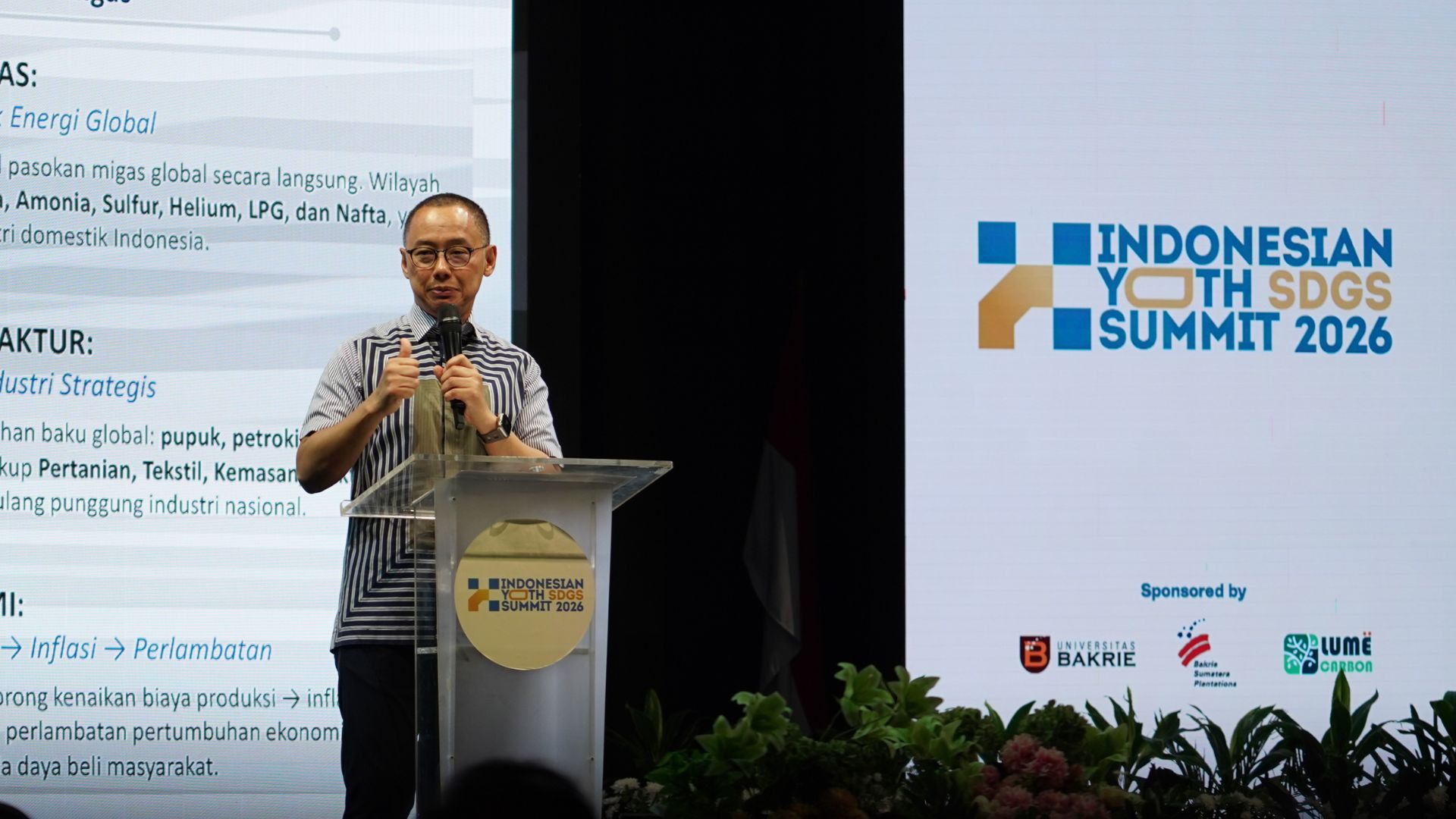
Jakarta, 4 July 2026 – Bakrie University, through the Political Science Study Program, is again holding the Indonesian Youth SDGs Summit or IYSDGS 2026 at the Abdulrahman Saleh RRI Auditorium, Jakarta. Carrying the theme "Next-Gen Solutions for Energy and Food Security", this activity is a space for collaboration between government, academics, international organizations, the private sector, communities and the younger generation in discussing issues of water security, food security, energy and sustainable development.
IYSDGS 2026 raises two main issues, namely Future-Proofing Water Infrastructure for National Water Security and National Strategy for Food Security and Sustainable Agriculture. These two issues are closely related to achieving the Sustainable Development Goals or SDGs, especially SDG 2 concerning Zero Hunger and SDG 6 concerning Clean Water and Adequate Sanitation.
Rector of Bakrie University, Prof. Sofia W. Alisjahbana, expressed her appreciation to the Bakrie University students who had initiated and driven the implementation of IYSDGS 2026. According to her, this activity is proof that the younger generation can take an active role in sustainability issues.
"I appreciate the Bakrie University students who have initiated this activity. IYSDGS is proof that young people are not only participants in the sustainable development agenda, but can also be mobilizers, connectors and solution creators," said Prof. Sofia.
Prof. Sofia added that universities have an important role in opening a meeting space between academic ideas, field experience and public policy needs.
"The issue of sustainability requires cross-sector collaboration. Universities need to be present as spaces that bring together knowledge, research, innovation and real action so that the solutions that emerge can benefit society," she added.
In the opening session, Deputy Chair of the MPR RI, Dr. Mohammad Eddy Dwiyanto Soeparno emphasized that sustainability and environmental issues are not new issues within the state framework. According to him, the nation's founding fathers had laid the foundation for the importance of the environment in the Indonesian constitution.
"Sustainability and environmental issues have actually been regulated by our founding fathers in the Constitution. Every citizen has the right to live in a good, clean and healthy environment," said Eddy.
He also emphasized that the principle of sustainable development is reflected in Article 33 paragraph 4 of the 1945 Constitution, which states that the national economy is organized with sustainable and environmentally sound principles.
"Article 33 paragraph 4 states that economic development must be based on sustainable and environmentally sound principles. This means that from the start we have had a constitutional basis that economic growth must not ignore environmental sustainability," he continued.
Meanwhile, environmental and sustainable development figure, Prof. Emil Salim, invited participants to see sustainable development as Indonesia's long-term agenda. He emphasized the importance of pioneering a development pattern that not only pursues economic growth, but also maintains social and environmental sustainability.
"In facing Indonesia's future in the next 50 years, the important question we must answer is: can we pioneer a development pattern that is truly sustainable?" said Prof. Emil Salim.
Prof. Emil also emphasized that sustainability needs to be developed as a shared mindset, not just a momentary program.
"It is not enough for development to be seen only from growth figures. We need to ensure that development also protects people, the environment and future generations," he added.
A global perspective was also conveyed by Rajendra Aryal, Representative of the Food and Agriculture Organization or FAO for Indonesia and Timor-Leste. In his presentation, Rajendra emphasized that food security needs to be seen holistically, not only from the production side, but also from the aspects of distribution, sustainability, inclusiveness, and the food system's resilience to various crises.
"Food security is not just about producing more food. Food security is also about making our food systems more resilient, inclusive, and sustainable. Therefore, collaboration between government, academics, the private sector, communities, and the younger generation is very important," said Rajendra.
Rajendra also considers that the younger generation can be an important driver in bringing innovation to answer the challenges of sustainable food and agriculture.
“Young people bring creativity, energy, and new perspectives. Our task is to ensure that these ideas are connected to data, research, policy, and implementation in the field so that they truly benefit society," he added.
Apart from the opening session, IYSDGS 2026 also presents the SDGs Actor Session which displays good practices and initiatives from LUME CARBON, Clean Energy Generation, and Zeekend. This session shows that contributions to the SDGs can be made through various approaches, from communities, business, social innovation, to youth movements.

In Session I: Future-Proofing Water Infrastructure for National Water Security, the speakers discussed the challenges of water infrastructure development, technological innovation, governance, and the importance of cross-sector collaboration to strengthen national water security. This session presented Rio Fafen Ciptaswara, President Director LUME CARBON; Dr. Ir. Firdaus Ali, Founder & Chairman of the Indonesia Water Institute; and Rendy Ardiansyah, President Director of PT WIKA Tirta Jaya Jatiluhur.
The discussion highlighted that the water issue is not only related to resource availability, but also concerns governance, infrastructure, community access, and Indonesia's readiness to face climate change.
Meanwhile, Session II: National Strategy for Food Security and Sustainable Agriculture discussed food security strategies through data-based policies, research innovation, strengthening food production and distribution systems, as well as multi-stakeholder collaboration in facing climate change and dynamics of the global food crisis. This session presented Rico Eric Estrada, Clara Citra Arundati, Muhammad Ulil Ahmad, and Hendra Adi Susila as resource persons.
As part of a series of events, IYSDGS 2026 also gave awards to the winners of pre-event activities through the SDGs Awarding Session. The three best schools, namely School of Human Bekasi, SMK Business and Technology, and MAN 14 Jakarta, also presented their ideas before receiving the award.
Chair of the Bakrie University Political Science Study Program, Dr. rer. pol. Aditya Batara Gunawan, S.Sos., M.Litt., said that IYSDGS was designed not only as a discussion forum, but also as a public learning space for students and the younger generation.
"We want IYSDGS to be a space that brings together academic ideas, practical experiences and public policy needs. The issues of water, food, energy and sustainability are too important to be discussed sectorally. Therefore, this forum presents various actors so that students can see the problems more fully," said Aditya.
He added that student involvement in forums like this is important to build policy literacy and awareness of sustainable development issues.
"The younger generation needs to be accustomed to reading public issues critically, but also with solutions. The hope is that IYSDGS can be a door for students to understand that contributions to sustainable development can start from knowledge, research, advocacy, to collaboration," he added.
Through holding IYSDGS 2026, Bakrie University confirms its commitment to supporting the sustainable development agenda, particularly through higher education, strengthening cross-sector collaboration, as well as the active involvement of the younger generation in responding to national strategic challenges.
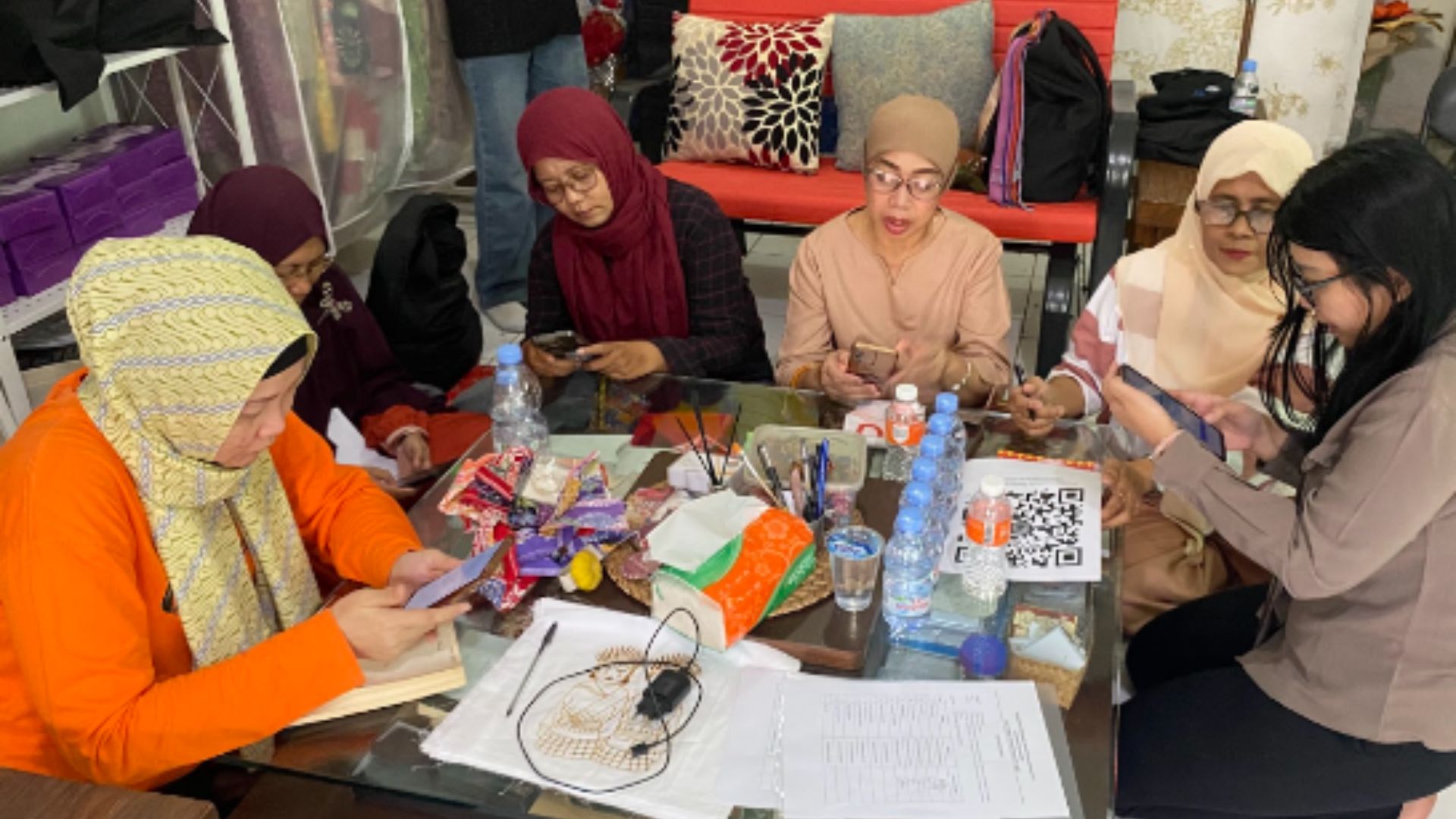
Bakrie University Holds Digital Storytelling Socialization to Support the Digital Transformation of Msme Galleries Abata
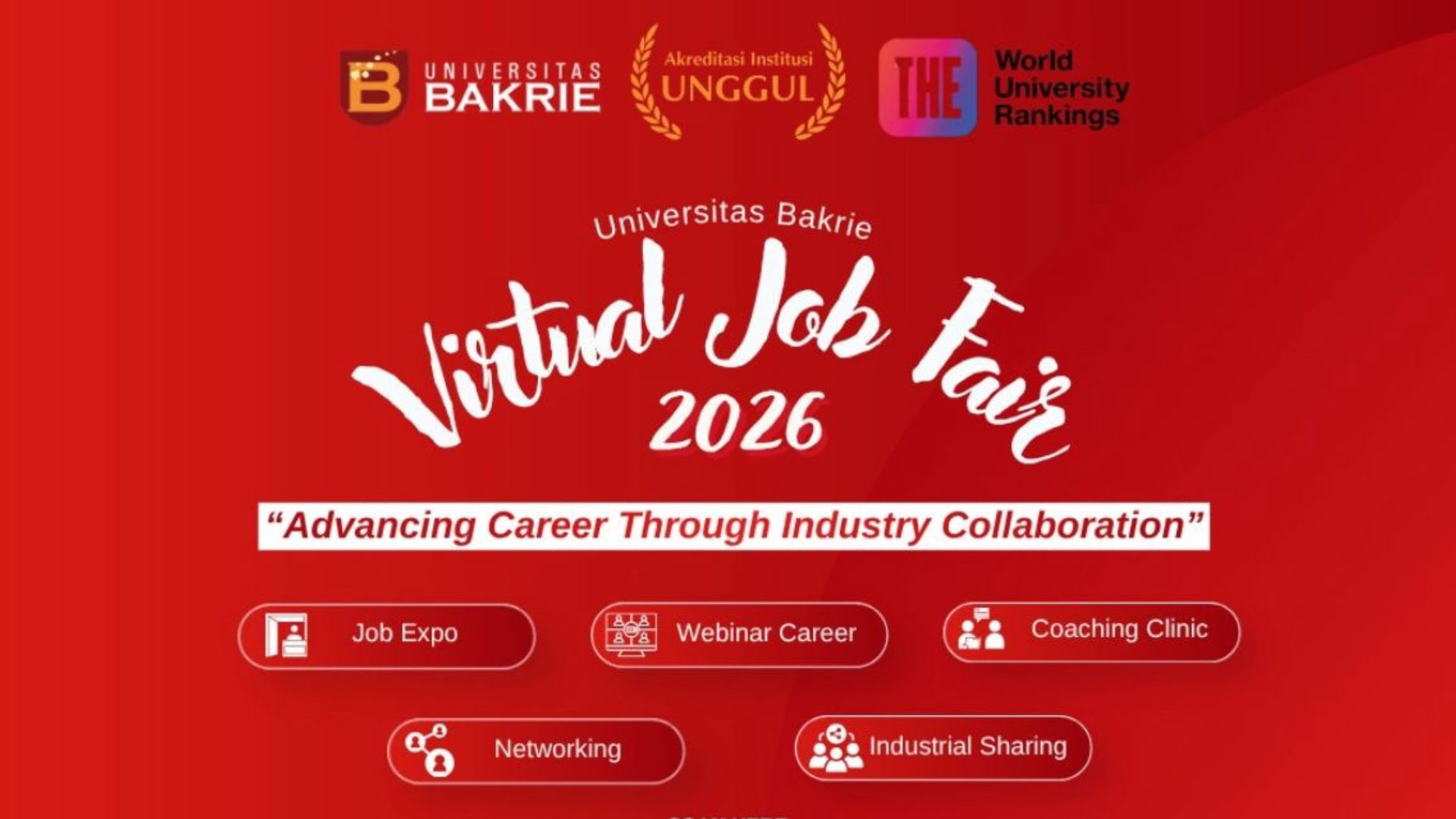
Virtual Job Fair 2026 Bakrie University Opens Career Access for Students and Alumni
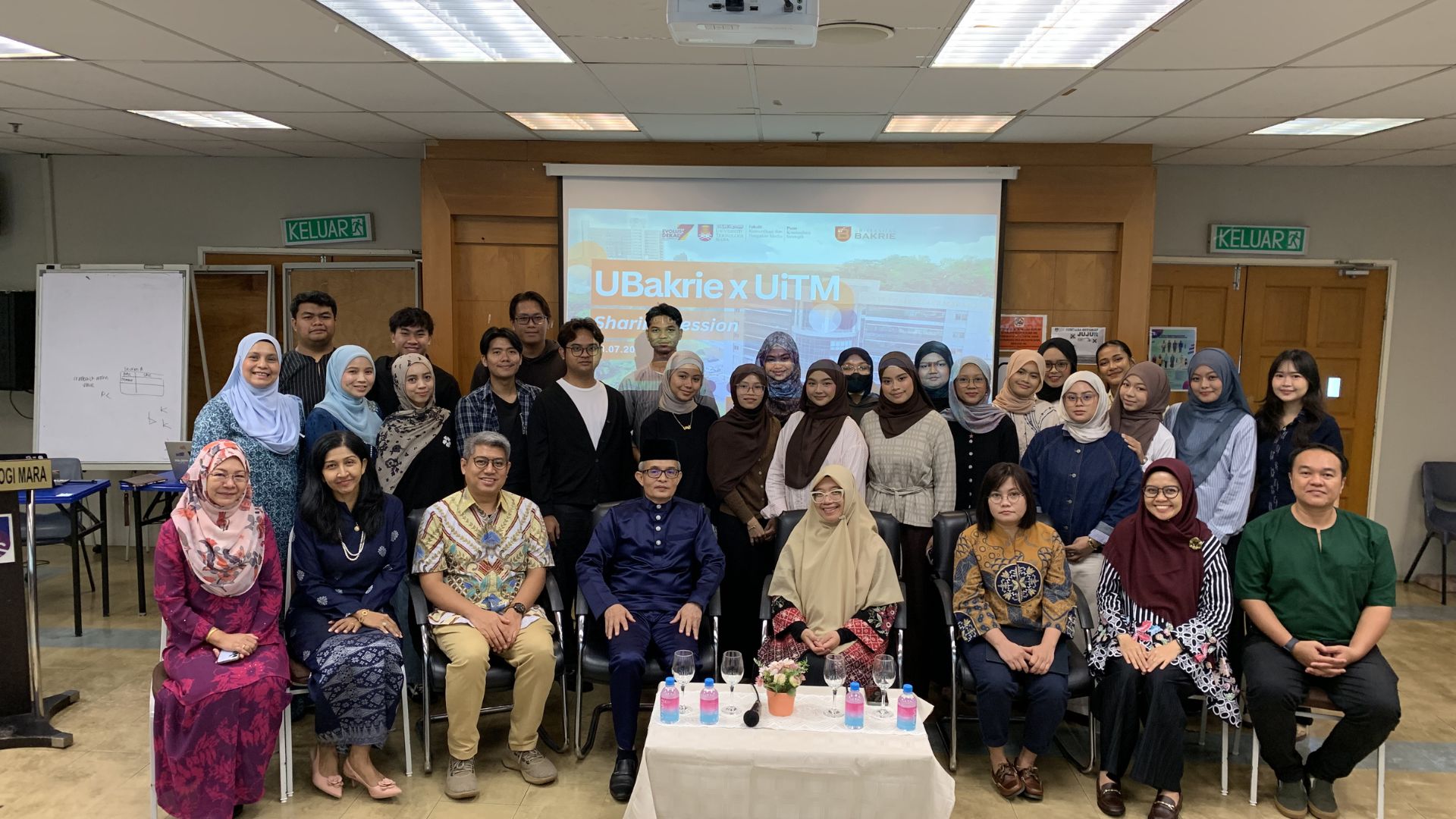
Bakrie University and Uitm Malaysia Discuss Information Resilience, Csr Communication and Political Communication